



IPGeolocation.io Blog
Explore product updates, technical deep-dives, industry commentary, and practical articles from the IPGeolocation.io team.

One of our largest MMDB builds needed about 10 hours and 140 GB of RAM, and the data grows every day. Here's how we made it 60x faster with 85x less memory and the same answers, and the free tool that came out of it.
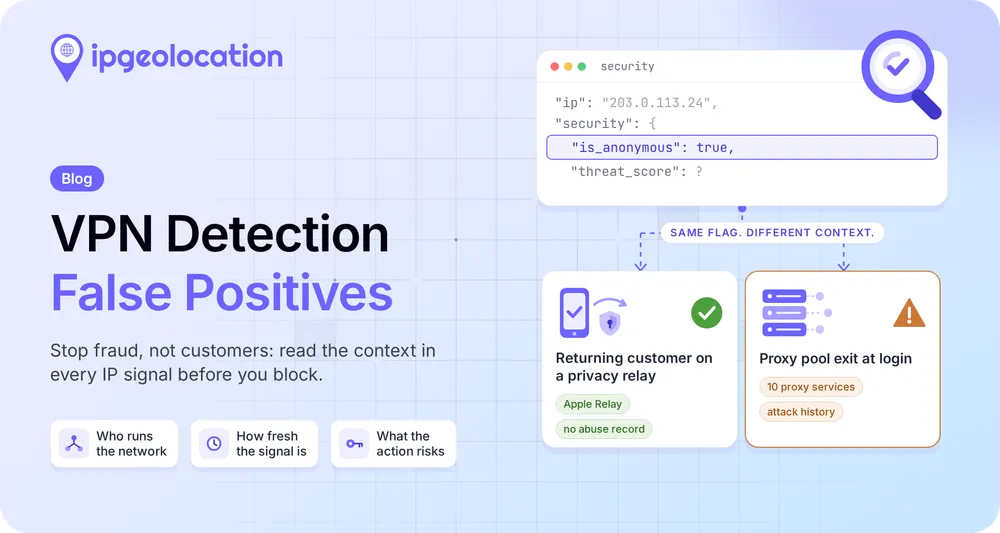
A VPN flag can be right about the address and still wrong about the customer. See where VPN detection false positives come from, the context that separates a privacy-minded customer from a fraudster, and how to measure the good users your rules turn away.
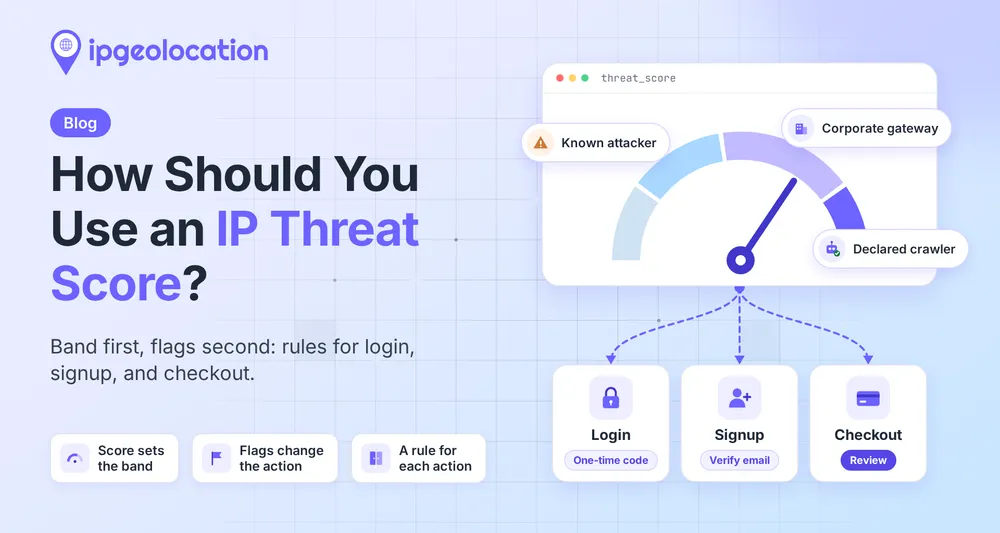
Set IP threat score rules per action, learn which flags should change the answer, and test it all in shadow mode. See which signals contribute to an IP threat score and how to use them in your rules.
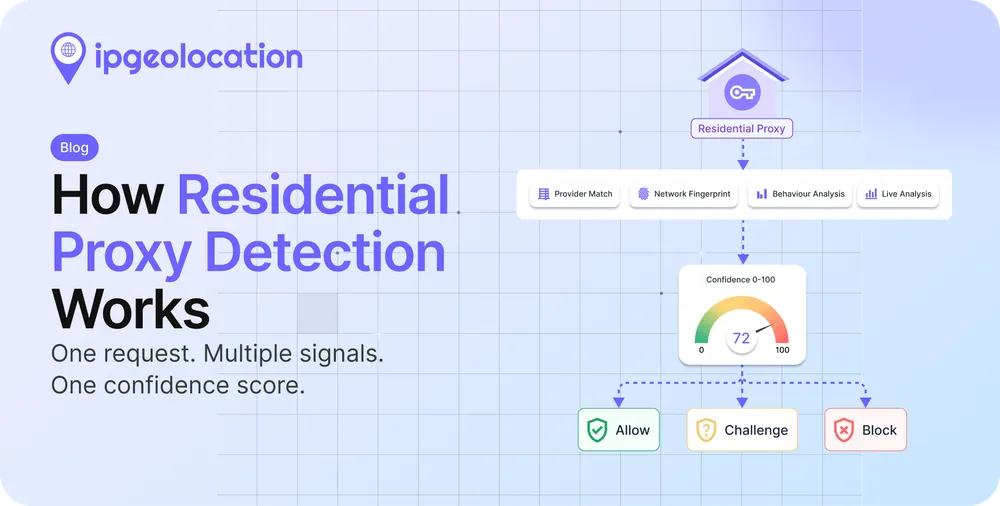
Residential proxies make automated traffic look like real households, which is exactly why IP reputation checks miss them. Here is how detection actually works: provider attribution, network and behavior signals, live connection analysis, and confidence scores instead of binary blocks.
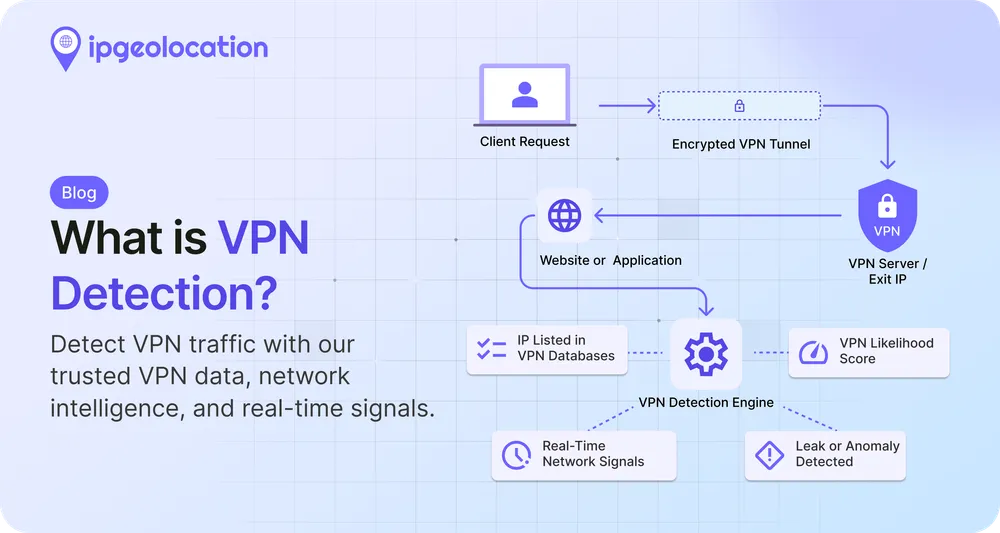
VPN detection identifies traffic routed through VPN servers before it reaches your app. Here is how the two signal families work, what they miss, and what to do with a positive result.
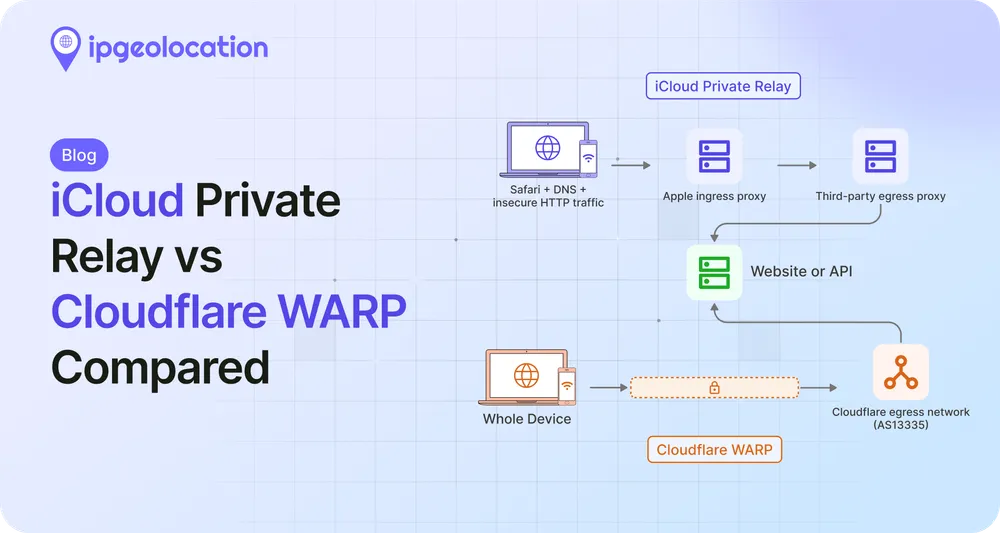
iCloud Private Relay and Cloudflare WARP both hide a visitor's real IP address, but they are built for different jobs and hide it in different ways.
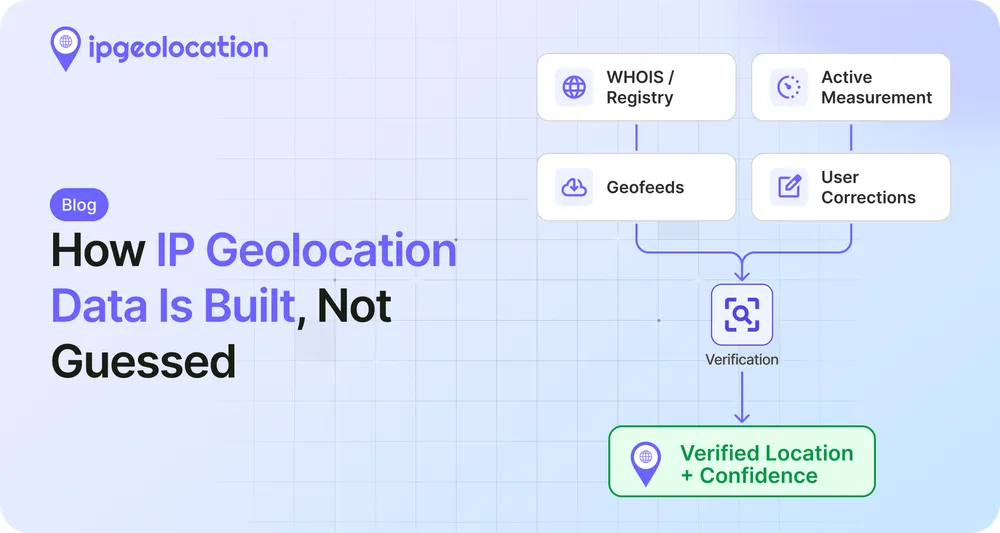
A lot of weak "IP geolocation data" is just a WHOIS guess dressed up with marketing. Here is how we actually build ours, layer by layer, from registry data and geofeeds to active measurement and verification, and how accurate it really is.
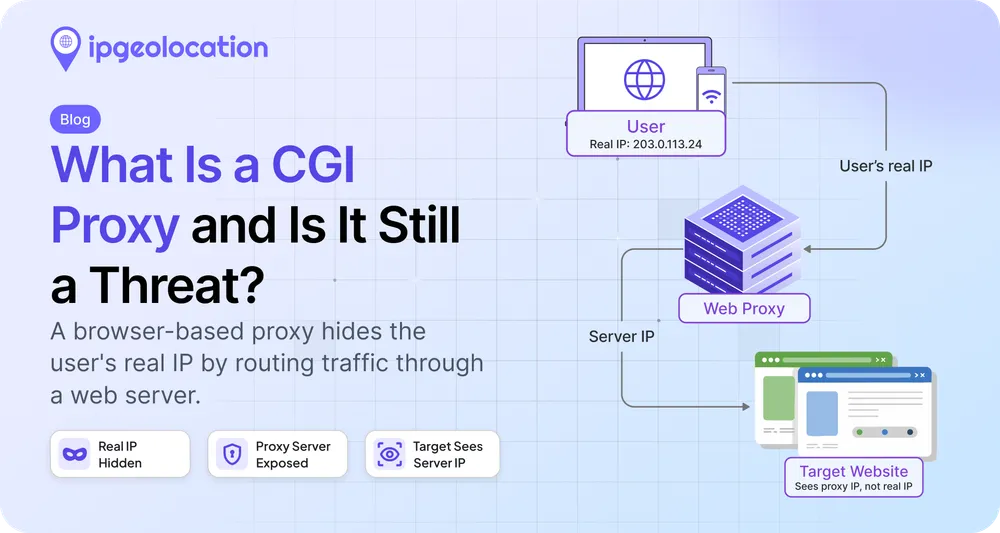
A CGI proxy is an old-school web proxy you use through a web page, and it leaves an obvious trace. The destination sees the proxy server's IP, not the visitor's. Here is how it works, whether it still matters, and how to flag the traffic.
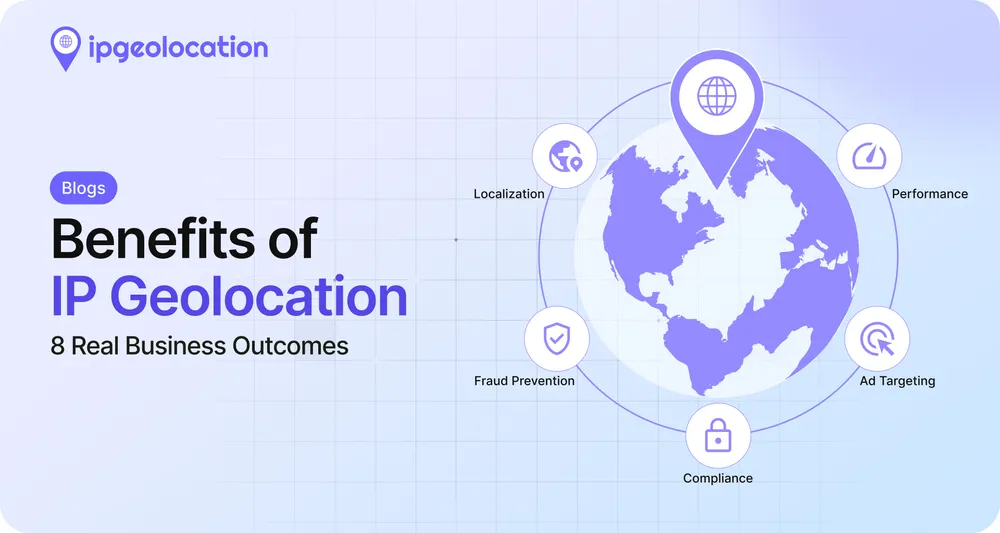
Eight benefits of IP geolocation that translate directly into revenue, security, and compliance outcomes, with an industry matrix showing which ones matter most for e-commerce, SaaS, AdTech, Fintech, Streaming, and regulated industries.
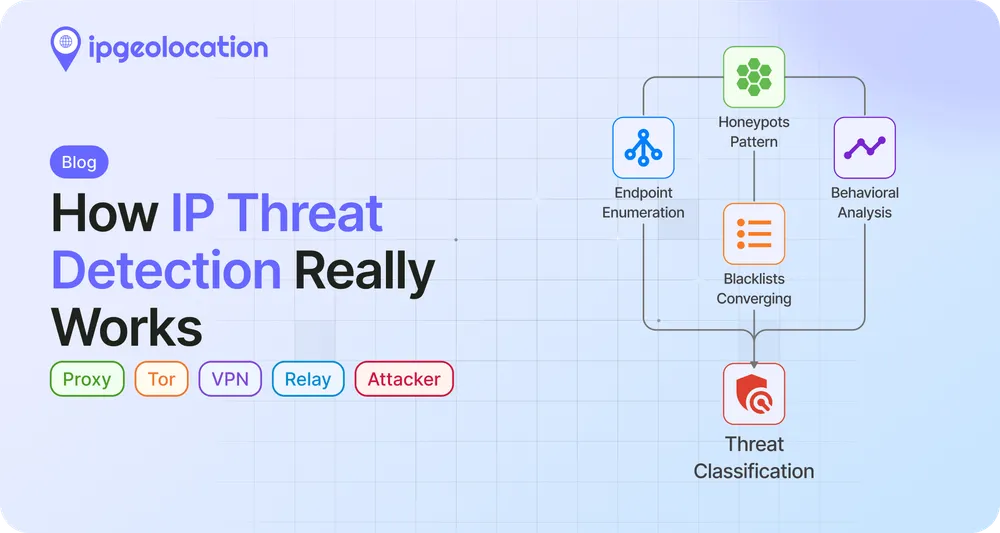
VPN detection is only as good as its data. We monitor 170+ providers, run live honeypots, and update threat scores daily. Most APIs won't tell you this much.
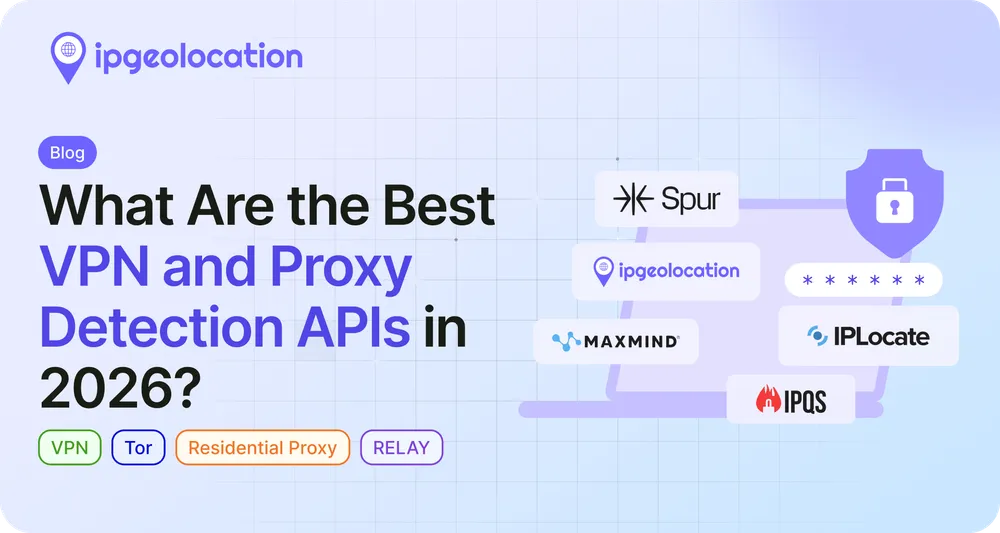
Compare the best VPN and proxy detection APIs in 2026 by residential proxy coverage, relay detection, pricing, and response depth for real-world use.
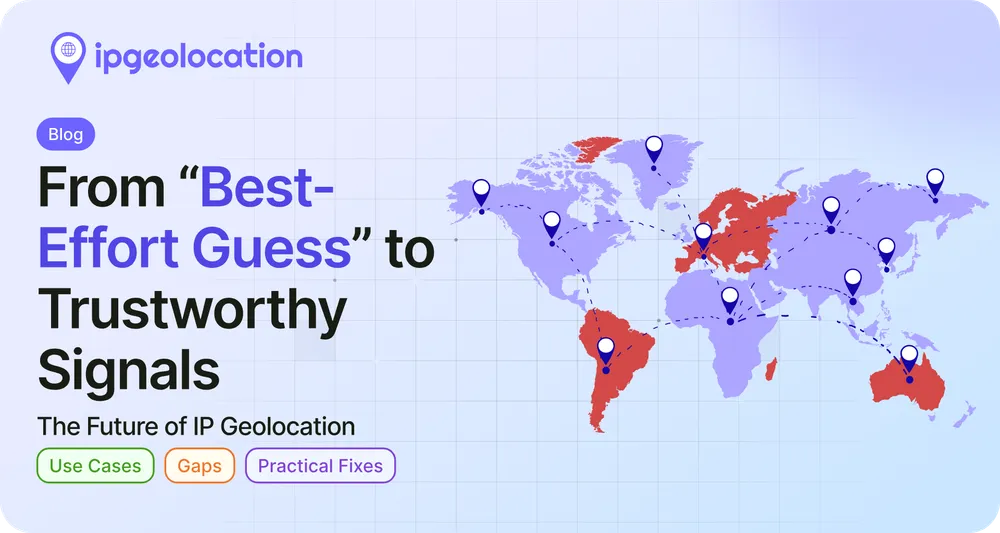
IP geolocation powers localization, CDNs, and fraud defense - but data is often stale or conflicting. Here’s what breaks and how geofeeds can help.

A practical framework for comparing VPN and proxy detection vendors with a focus on detection depth, false positives, latency, and developer experience.
Discover the most impactful IP geolocation use cases, from personalized content and fraud detection to compliance and threat intelligence.
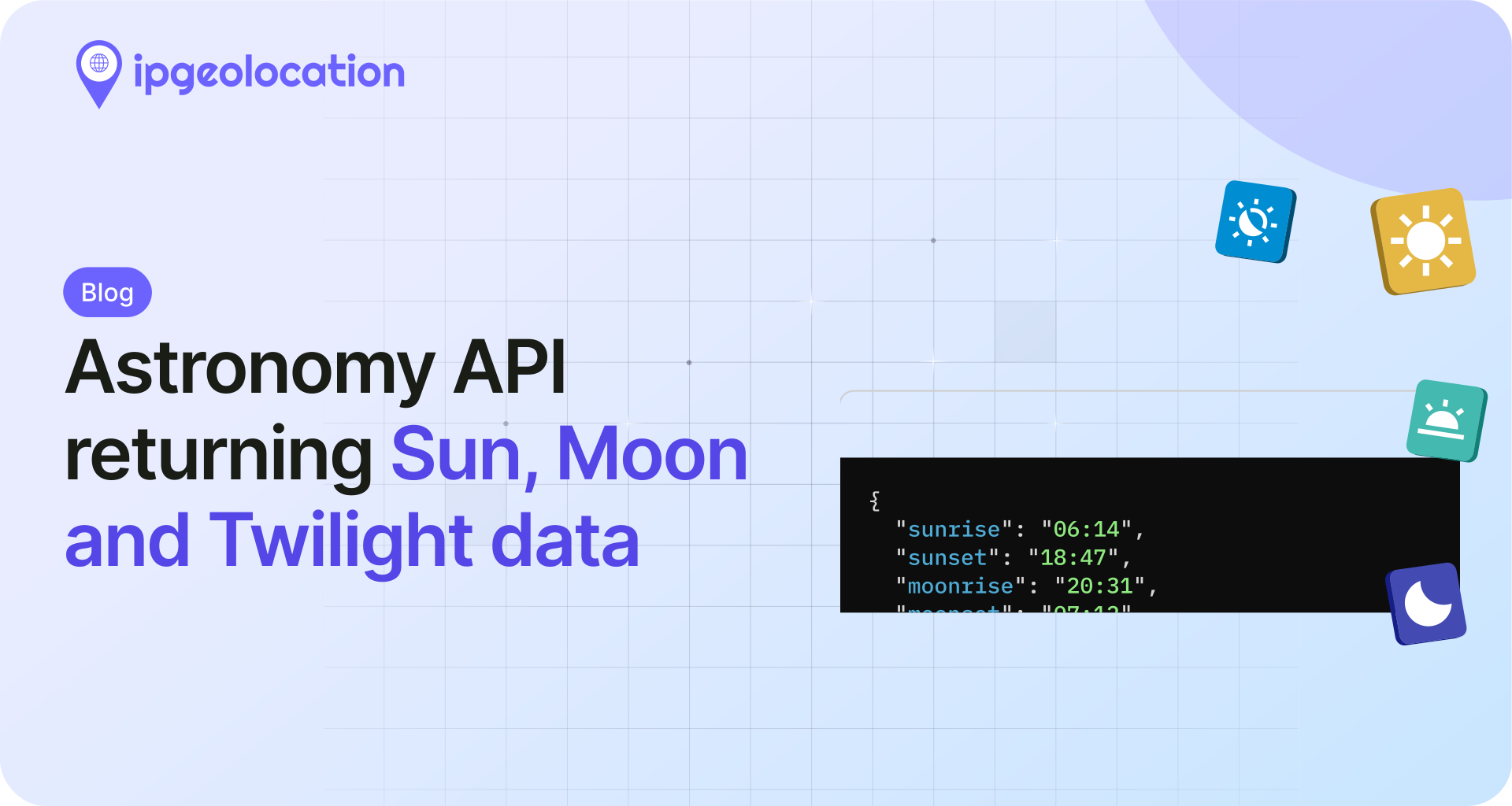
Explanation of IPGeolocation.io's Astronomy API, presenting its use cases and fields' practical interpretation.
Prevent online payment fraud, account takeovers, bot attacks, and other malicious activities. Detect and block VPNs to secure customers.
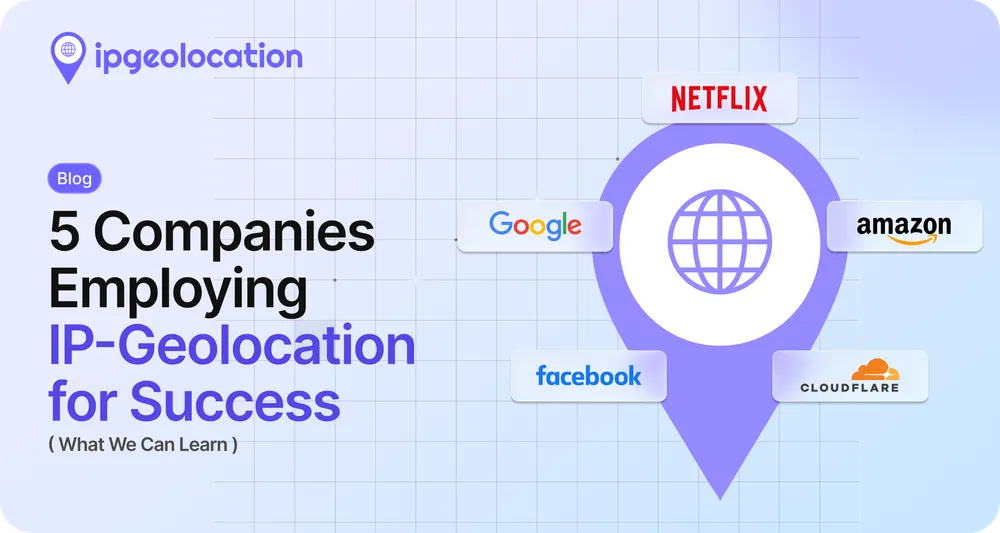
Learn how top brands like Netflix, Amazon, and others succeed with IP geolocation to localize content, improve ads, and secure users, and how you can, too.
Learn how businesses use IP geolocation to personalize content, enhance security, ensure regulatory compliance, and optimize performance in modern web applications
Find your public or local IP address, see which mail servers appear in an email header, and understand what an IP lookup can tell you.
GDPR stands for the General Data Protection Regulation. IPGeolocation.io is GDPR compliant and we are committed to protecting your data privacy.
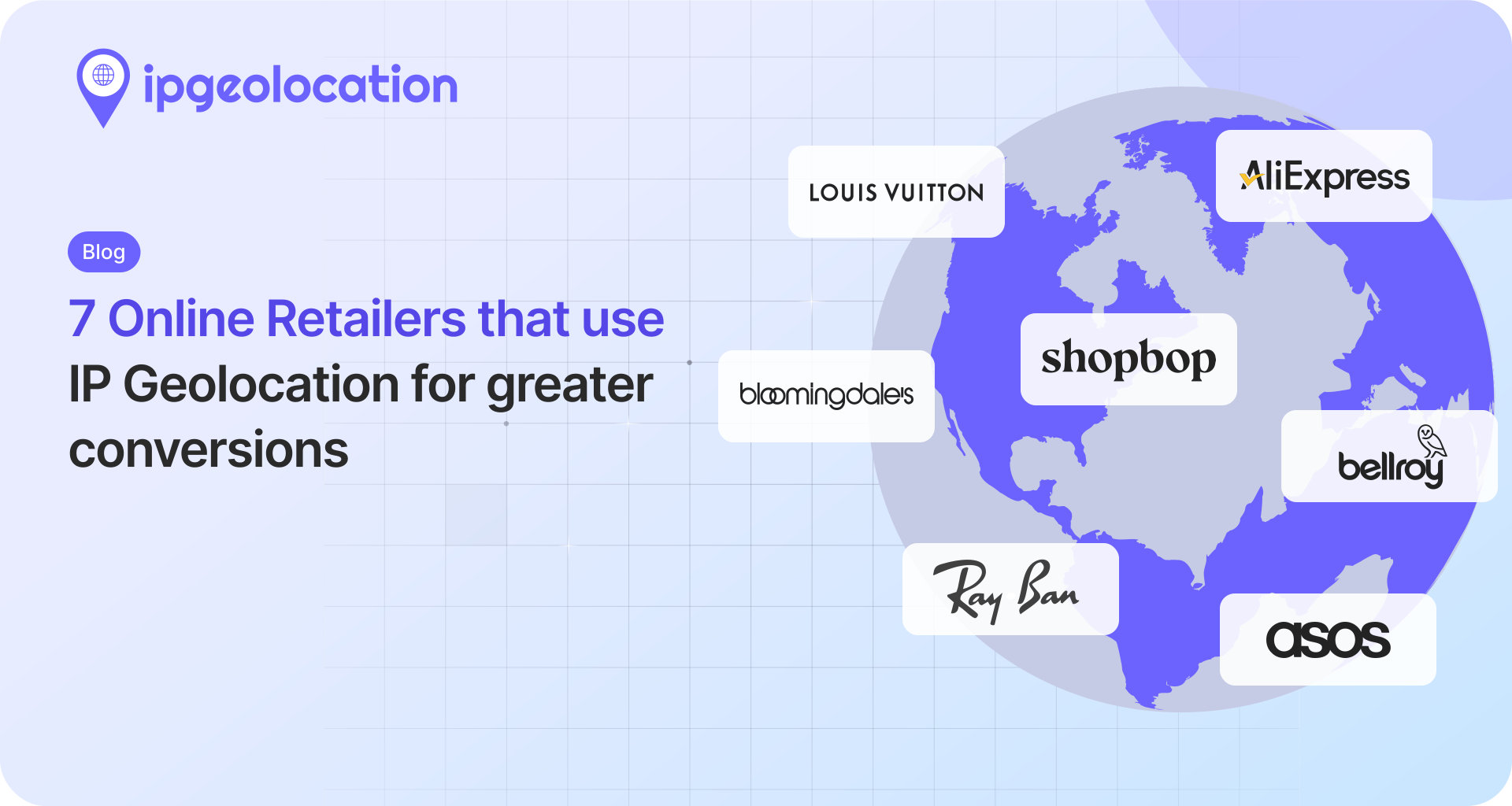
A case study of how some famous online sellers are using IP geolocation and how they have become huge names in the industry
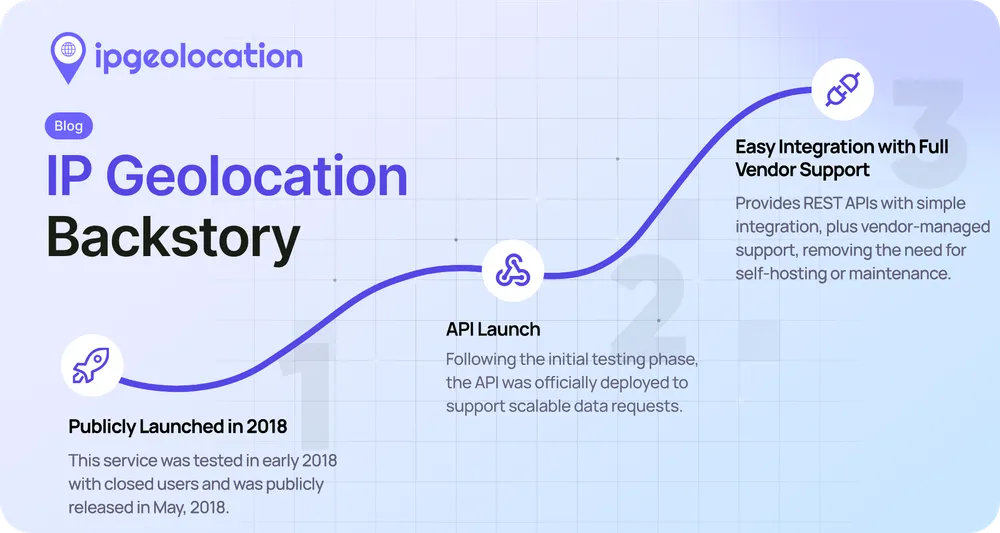
Read about our backstory. How our own need compelled us to build an IP Geolocation Database from scratch and offer it as REST API for everyone.