



Just Another IP Geolocation Service
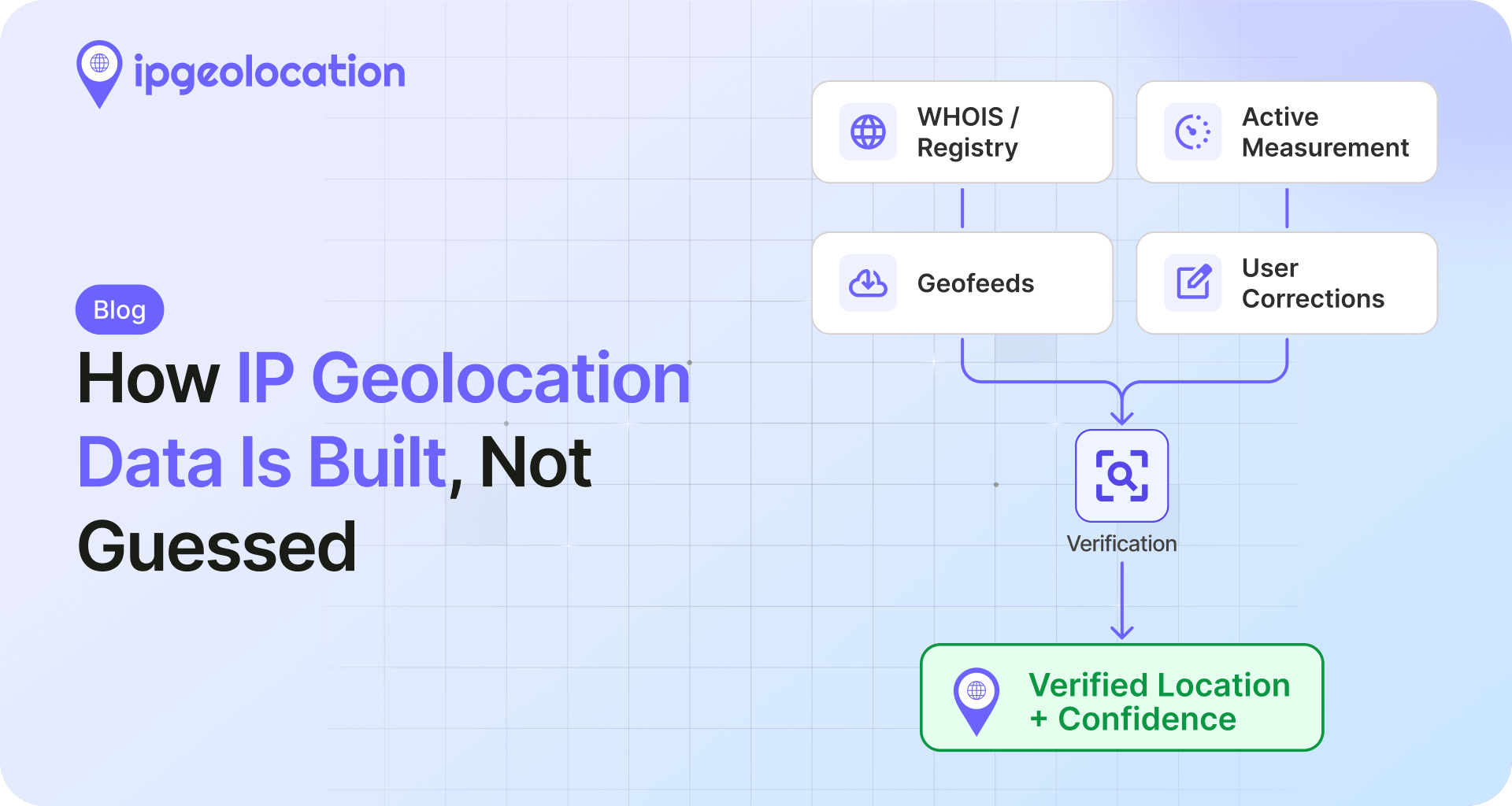
We are a small IT services firm providing solutions to small and medium enterprises. Last year we had to work on three different projects which needed IP Geolocation service. IP Geolocation is the technique of estimating a person's geographical information from an IP Address. The challenges we faced in our journey led us to create our own GeoIP Database and offer it as an API to the rest of the world.
There are two major ways in which one could go about integrating an IP geolocation service into an application.
- Self Hosted Solution
You get a CSV database from providers to host it yourself. You have to pay an annual fee to get the database and then you have to pay for the hosting as well. The database is updated on a weekly or daily basis. You yourself have to make sure that the database is updated with the new change-set.
There are certain situations where this approach is feasible but it can distract you from the core problem. So unless you want to focus your entire business on IP geolocation, this option seems like overkill. - Vendor Hosted API
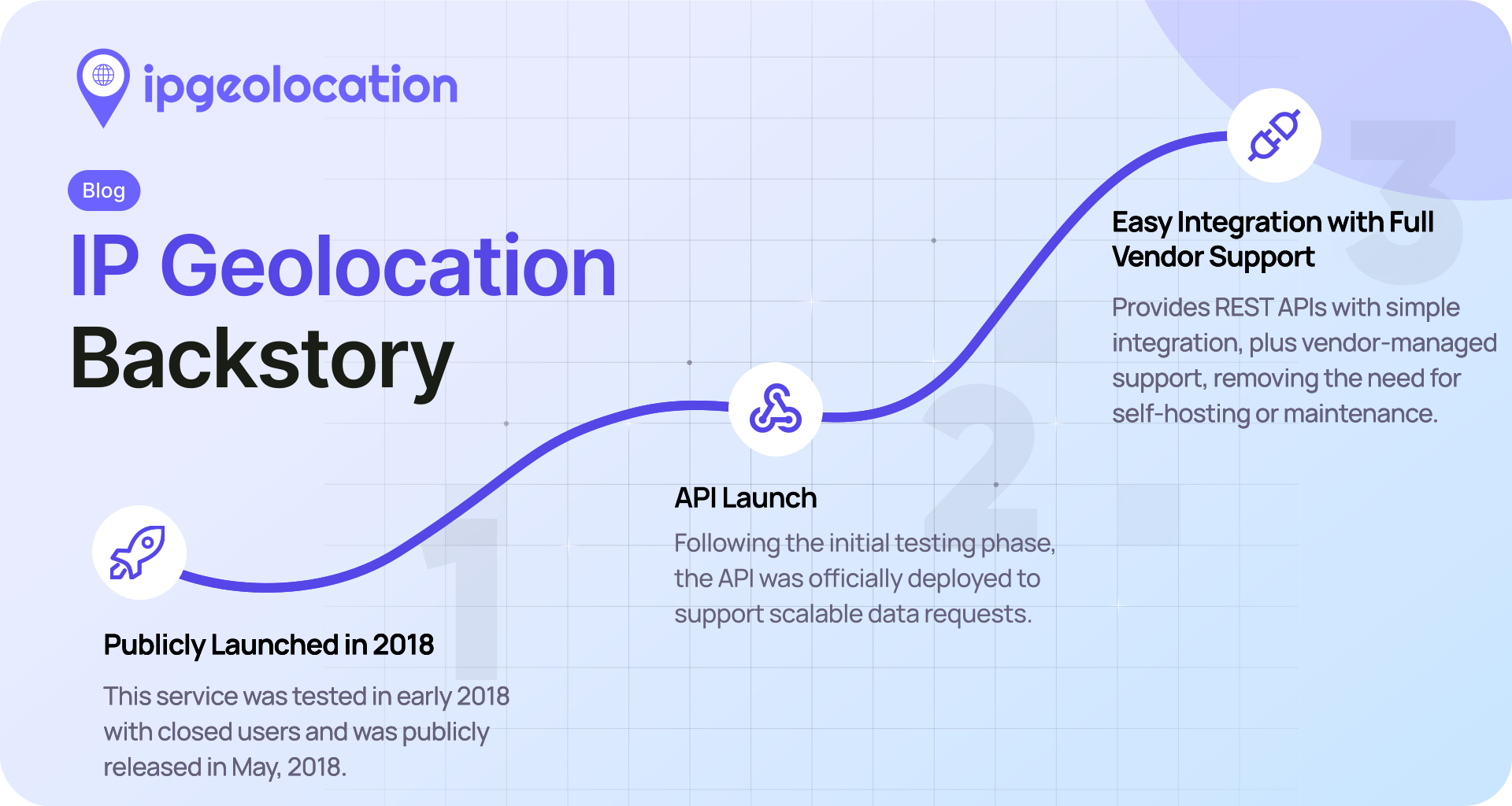
A vendor manages the infrastructure, handles all the necessary updates and offers the REST APIs, which you can then use in your application.
This option is perfect for quick integration and ease of use, however, the offerings available are not that great in this category.- APIs offered by top vendors are heavily priced and the offering is not based on a recurring monthly/yearly plan. Instead, you have to purchase a quota. So if you get a traffic surge, there is a high probability that your services might exceed the purchased quota.
- The low-cost alternatives that we came across are not using their own database. They are using a free database for developers provided by the top vendors. This means that the database provided by them is a small subset of the one provided by the top vendors.
In summary, option 1 offers good quality but is expensive, whereas option 2 is economical but the dataset is of low quality.
We wanted the quality of option 1 but with the price flexibility of option 2. Therefore, we set out to solve this problem ourselves. After working hard for a few months, we prepared our own database and made it available in February 2018 to a set of closed users. We've been improving it ever since. Today we are making it public for everyone else. Our pricing is very flexible and we are always just an email away. Drop us an email or use our live chat on the website if you are not satisfied with the default plans and want something tailor-made for you. Or if you want to talk about the universe and the big bang. We are always looking for an interesting chat.
What's next?
Some of the things that we are working on and will be available soon are:
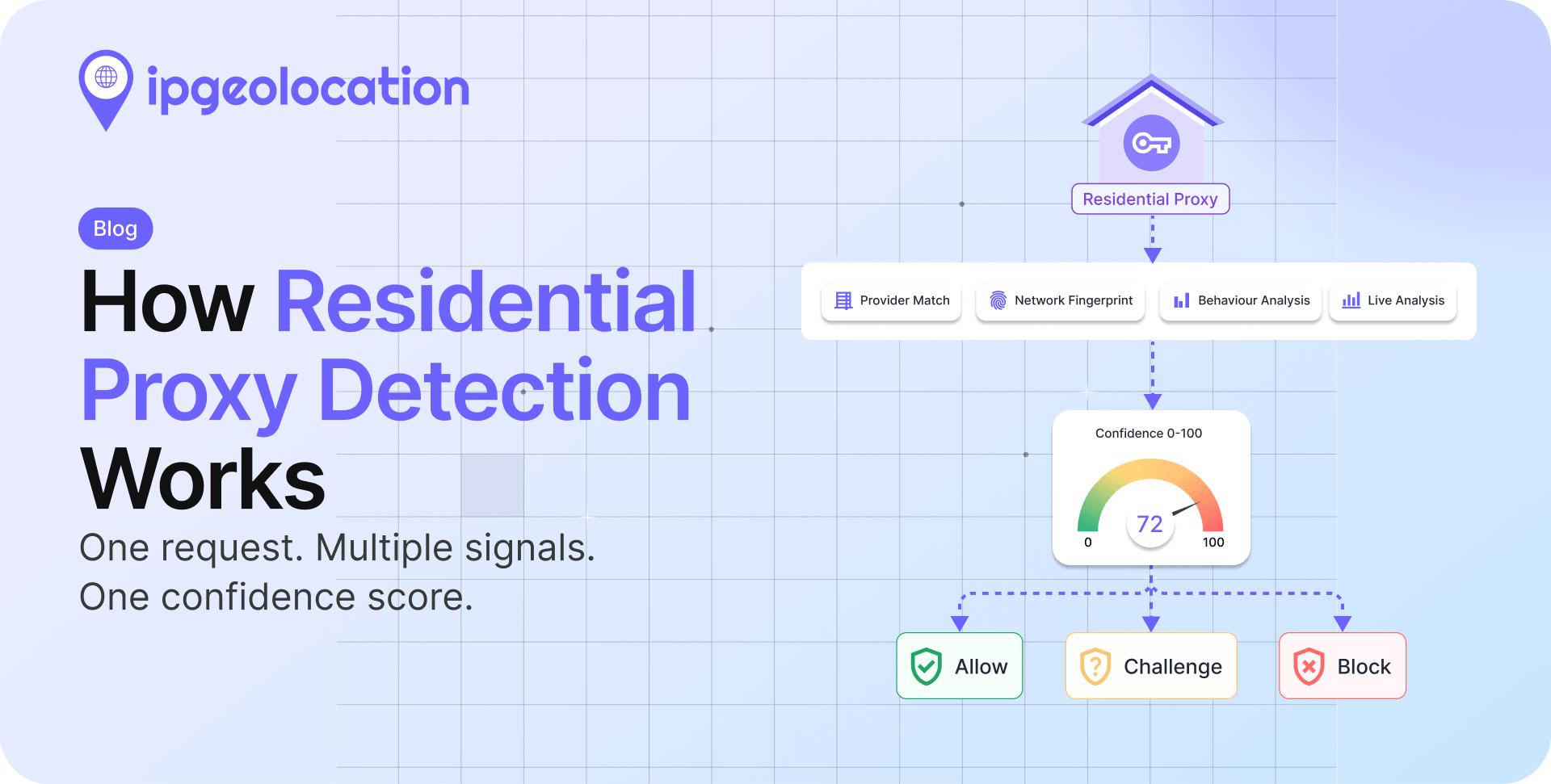
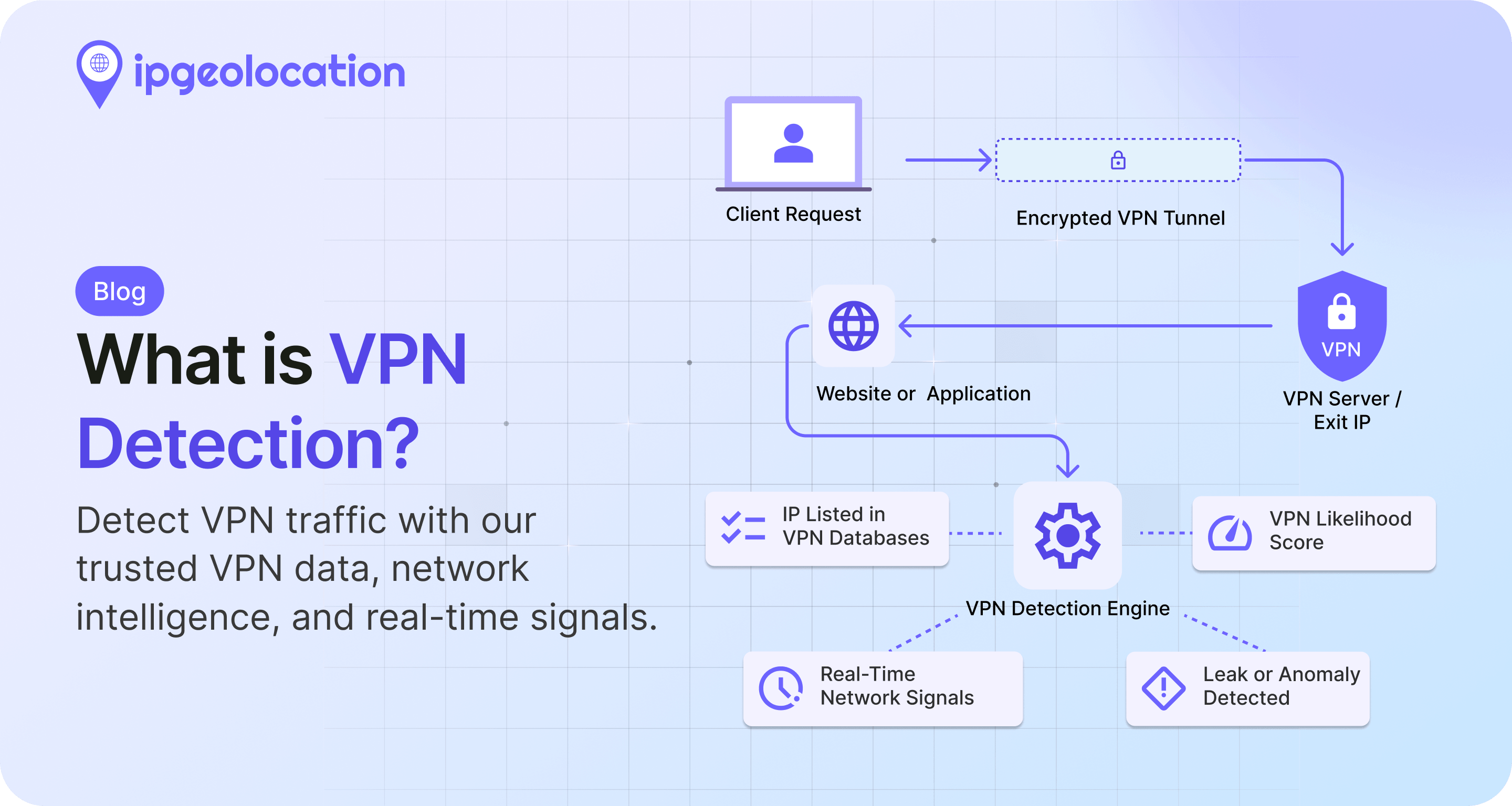
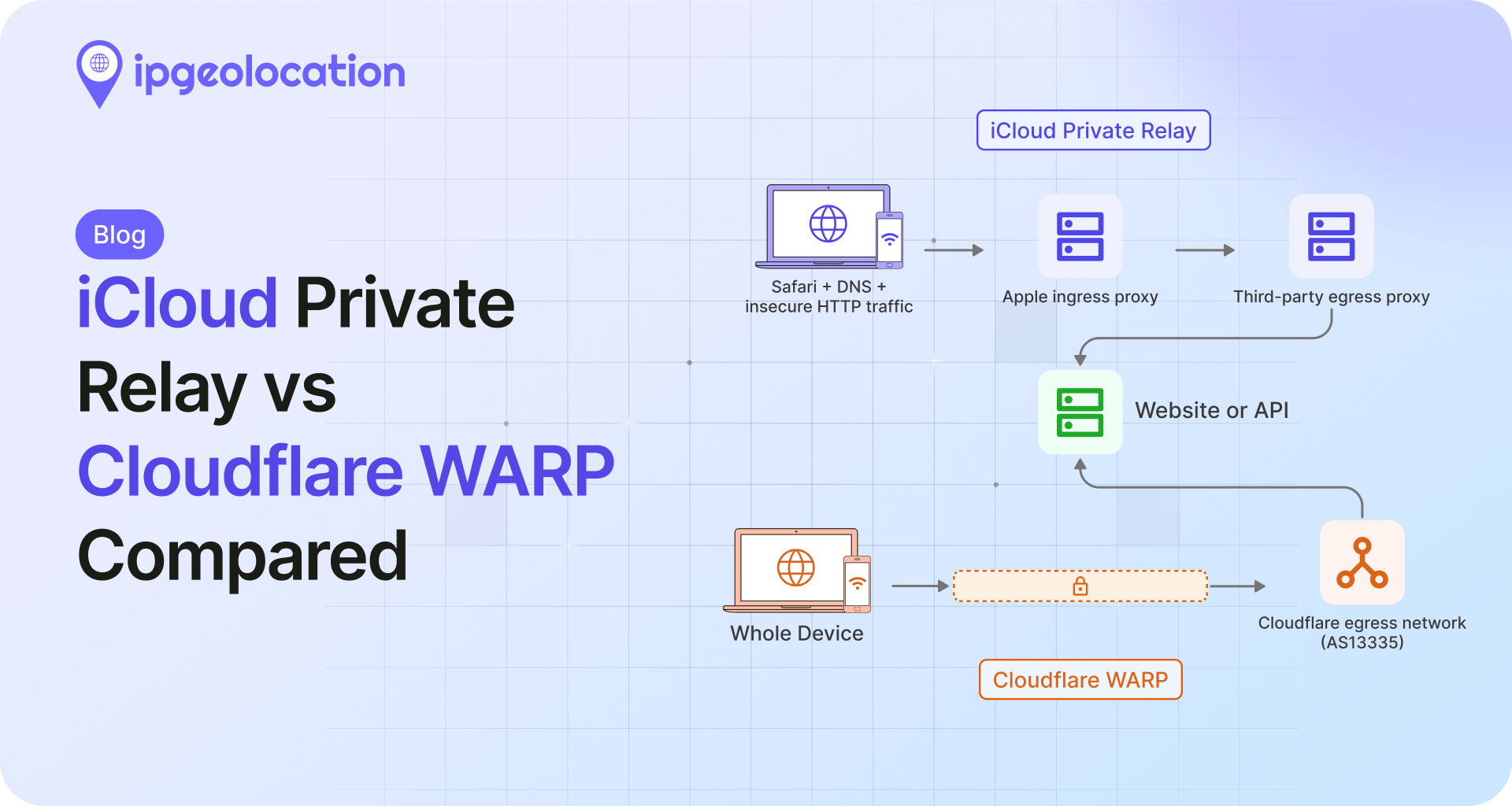
- VPN, Proxy and Tor Exit detection on the fly.
- Public availability of our GeoIP Database for applications where our hosted solution is not a good fit.
- Fraud protection and fingerprinting service.