



Data as of November 5, 2026. Routing checked against public BGP data on November 6, 2026.
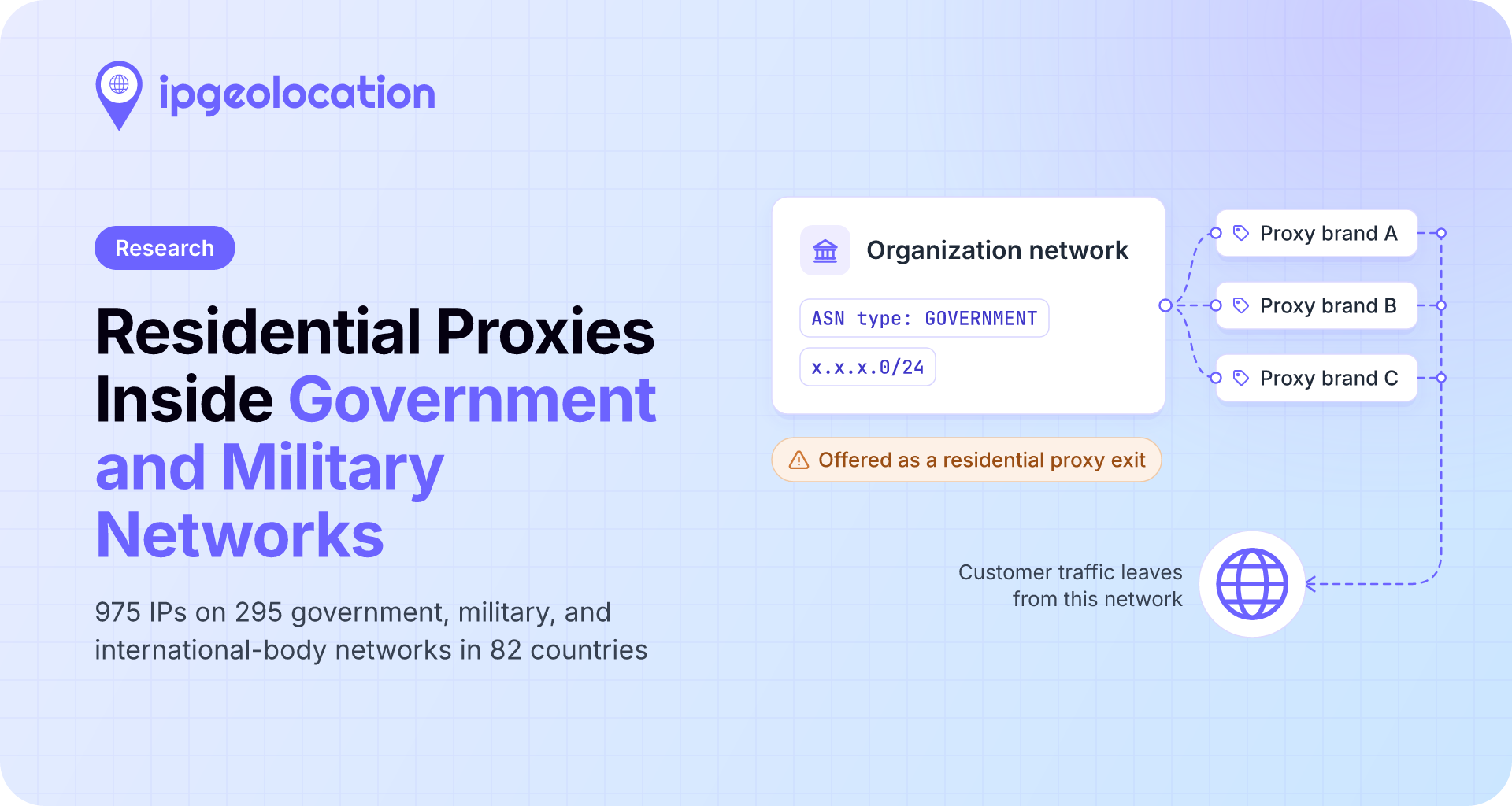
Residential proxies are exiting through government networks around the world. Between February 1 and November 5, 2026, IPGeolocation.io saw 975 IP addresses on 295 government, military, and international-body networks in 82 countries offered as residential proxy exits. An exit is the address a proxy customer's traffic leaves from, so the website on the other end sees that organization's network as the sender.
The White House is one of them. Our collection saw three addresses on the Executive Office of the President's network offered by eight proxy brands on seven days between September 8 and October 28, 2026. None of this shows who installed what, or that any network was breached. It shows that anyone paying one of those services could send traffic out through these organizations' addresses.
TL;DR
Residential proxy exits on government networks are widespread, current, and resold. As of November 5, 2026, IPGeolocation.io's data held 975 exit addresses on 295 government, military, police, legislature, central bank, and international-body networks in 82 countries, each tied to its organization by routing data for every day it was offered or by the registry record of its address block.
- 340 of the 975 addresses were offered in the window's last seven days, October 30 to November 5, and 681 in its last 30.
- The median span from an address's first sighting to its last was 24 days; 46.5% spanned more than 30 days, and 248 addresses were offered on 10 or more separate days.
- 59.5% were offered by two or more proxy brands. One address on the United Nations Office at Nairobi's network was offered by 35.
- Government-run networks that also serve the public, mislabeled ISP address pools, and mobile carrier addresses shared by many customers are left out of the count.
- Network owners can check their own outbound addresses against residential proxy data and look for proxy software calling out from inside. Affected organizations and CERTs can request the address-level data.
The White House exits in our data
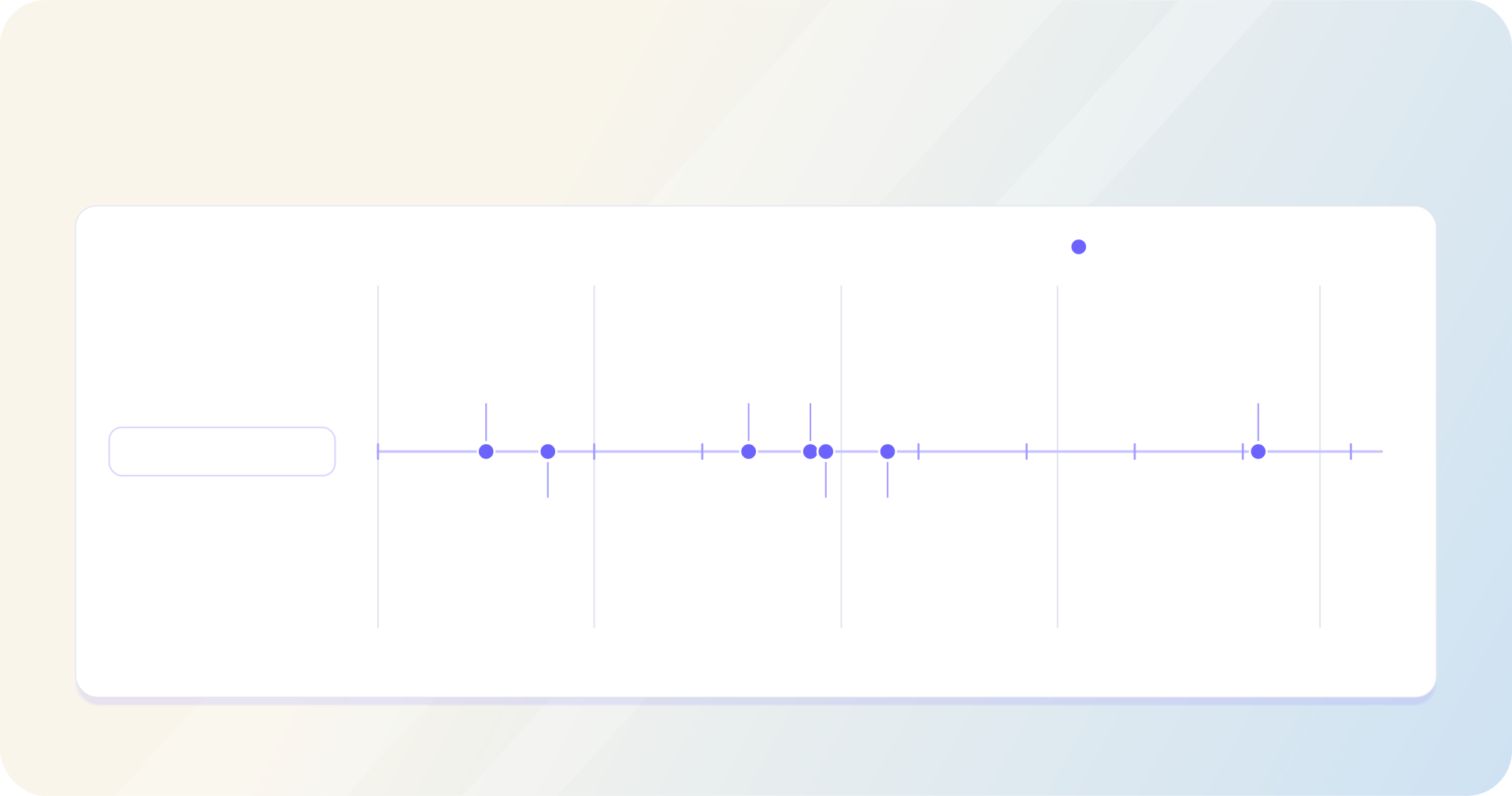
IPGeolocation.io's collection saw three addresses in the White House network's 165.119.253.0/24 block offered as residential proxy exits by eight proxy brands on seven days between September 8 and October 28, 2026. That block is announced by AS2650, the network registered to the Executive Office of the President. Our AS2650 network page lists the block among the network's routes, with the holder and the network type GOVERNMENT, and public routing data, such as RIPEstat, shows the same origin.
Each row below is one address offered by one or more brands on one day (UTC). The last octet of every address is masked.
| Date (2026) | Address | Offered By |
|---|---|---|
| September 8 | 165.119.253.x | anyIP |
| September 12 | 165.119.253.x | ProxiesFo, SpyderProxy |
| September 25 | 165.119.253.x | 9Proxy, NodeMaven |
| September 29 | 165.119.253.x | NodeMaven |
| September 30 | 165.119.253.x | FlashProxy |
| October 4 | 165.119.253.x | Proxy-Cheap |
| October 28 | 165.119.253.x | Geonode |
That's nine sightings on seven days, from eight brands, spread over seven weeks. The same address also changed hands: the one offered through anyIP on September 8 turned up again under Geonode on October 28.
The table can't tell us which devices sit behind these addresses, or whose devices those are. Our data has dates but no times of day, so it says nothing about working hours either. And because we collect from a subset of the brands on the market, a quiet stretch in our data doesn't mean the exits stopped.
975 addresses, 295 organizations: what we found
Across IPGeolocation.io's dataset, 975 IP addresses on 295 organizations' networks in 82 countries were offered as residential proxy exits between February 1 and November 5, 2026. They sit on 202 autonomous systems (ASNs), and 58 different proxy brands offered at least one of them.
| Measure (As Of November 5, 2026) | Value |
|---|---|
| Exit addresses on government, military, and international-body networks | 975 |
| Organizations | 295 |
| Countries | 82 |
| Networks (ASNs) | 202 |
| Offered in the last 7 days (October 30 to November 5) | 340 |
| Offered in the last 30 days | 681 |
| Dated sightings (one address, one brand, one day) | 13,563 |
| Proxy brands that offered at least one of these addresses | 58 |
| Earliest sighting | February 3, 2026 (our daily history starts February 1) |
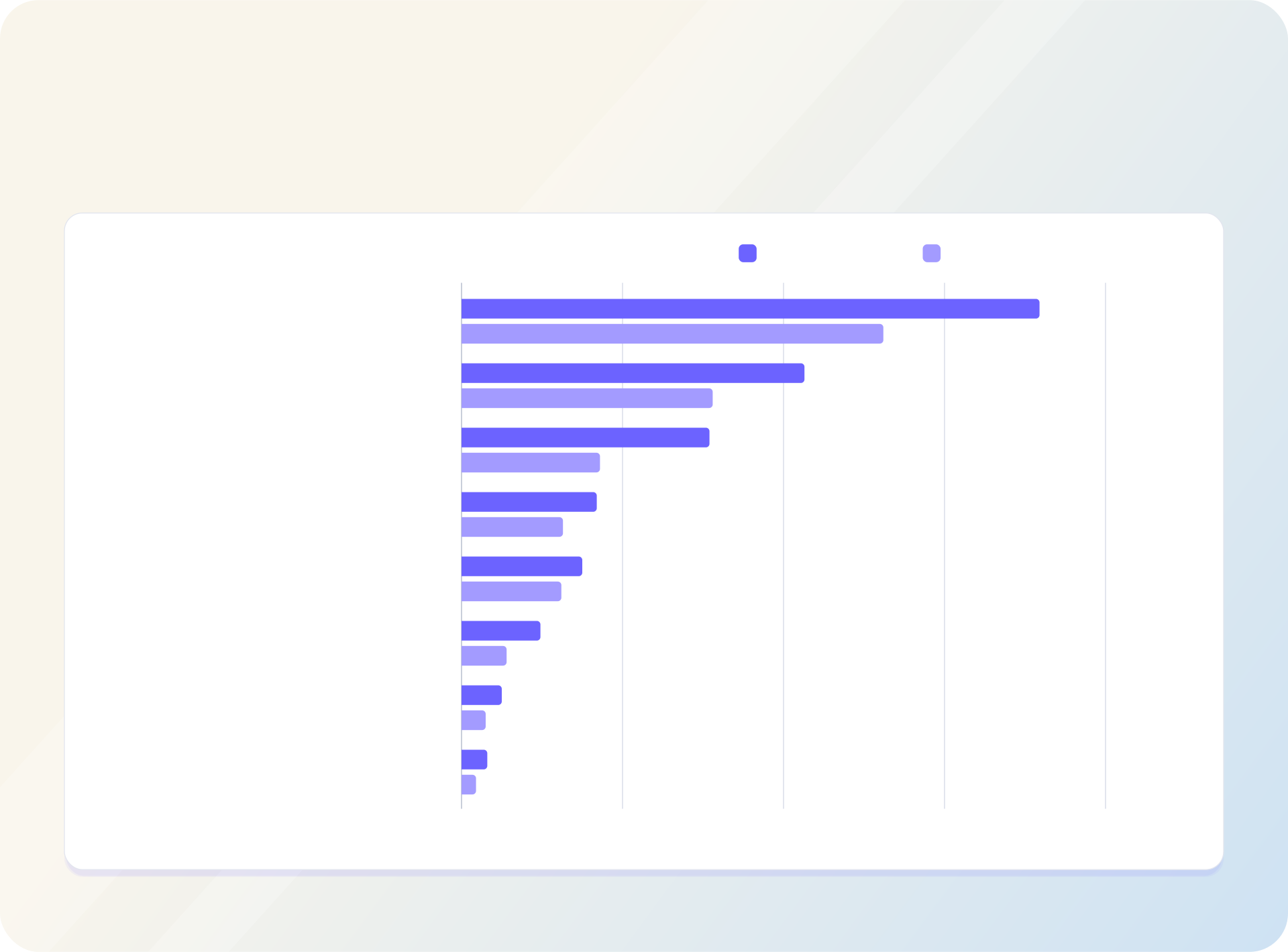
Ministries and national agencies make up the largest group, followed by police, courts, and the rest of law enforcement and justice.
| Category | Addresses | Organizations | Countries | Offered In Last 30 Days |
|---|---|---|---|---|
| Ministries and national agencies | 359 | 87 | 44 | 262 |
| Law enforcement and justice (police, interior ministries, courts, customs, tax) | 213 | 105 | 38 | 156 |
| Nuclear, space, and strategic research | 154 | 5 | 5 | 86 |
| Military and defense | 84 | 43 | 20 | 63 |
| Heads of state and government | 75 | 13 | 11 | 62 |
| International organizations (UN, EU, World Bank, OSCE, Europol, Interpol) | 49 | 26 | 19 | 28 |
| Central banks | 25 | 7 | 7 | 15 |
| Legislatures | 16 | 9 | 10 | 9 |
The research row needs a caveat. Of its 154 addresses, 127 are on one network: the Joint Institute for Nuclear Research in Dubna, Russia, all inside 159.93.0.0/16, which AS2875 announces. They're spread over 45 different /24 blocks, the busiest holding 13, 12, and 9, which looks like many separate users across a large institute network, not one system. The block's only public registry record covers the whole /16, with no public sub-assignments, so we can't see which part of the institute's network these exits come from. One address in 159.93.217.0/24 was offered on 40 days between May 21 and November 3 by 16 brands; 71 of the 127 were offered in the last 30 days. Without this network, the research row drops to 27 addresses on four organizations (INFN, CERN, a prefix announced by NASA's network, and SANSA), and Russia would have 46 addresses, still second behind Thailand and one ahead of the United States.
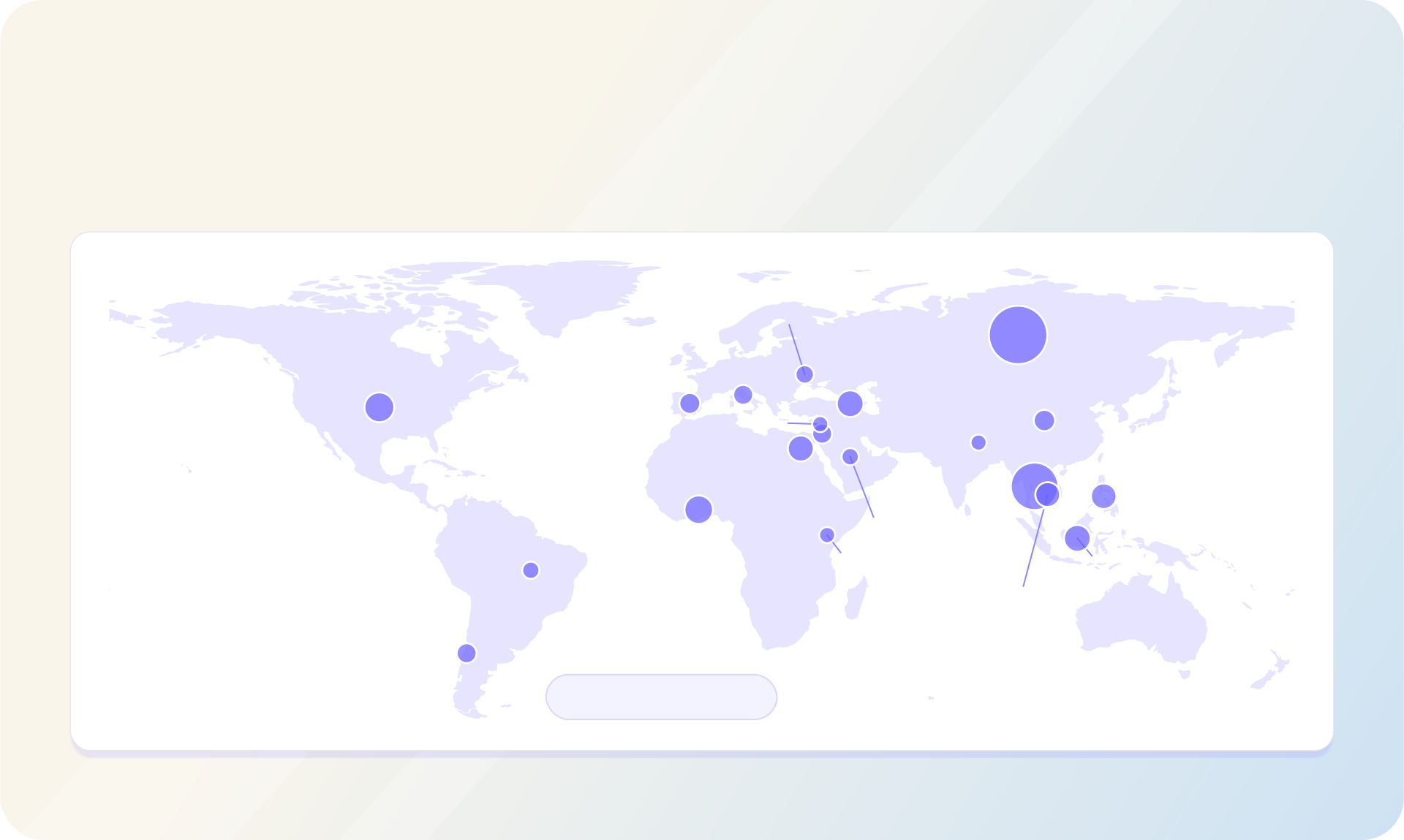
The 20 countries with the most addresses hold 734 of the 975. Russia and Thailand lead, with the United States third.
| Country | Addresses | Organizations | Offered In Last 30 Days |
|---|---|---|---|
| Russia | 173 | 12 | 106 |
| Thailand | 114 | 18 | 87 |
| United States | 45 | 32 | 27 |
| Ghana | 41 | 2 | 29 |
| Armenia | 36 | 4 | 33 |
| Indonesia | 36 | 2 | 30 |
| Egypt | 34 | 4 | 23 |
| Philippines | 33 | 26 | 29 |
| Cambodia | 31 | 3 | 21 |
| China | 23 | 19 | 18 |
| Spain | 22 | 7 | 19 |
| Italy | 20 | 5 | 10 |
| Chile | 20 | 1 | 15 |
| Jordan | 20 | 5 | 19 |
| Ukraine | 17 | 8 | 16 |
| Brazil | 15 | 6 | 7 |
| Saudi Arabia | 15 | 9 | 8 |
| Kenya | 13 | 6 | 8 |
| Nepal | 13 | 2 | 8 |
| Lebanon | 13 | 2 | 9 |
Read the table as a map of where exits appeared in our collection, not a ranking of any country's security: one large network can put a country near the top, as the Dubna institute does for Russia, while the Philippines reaches eighth through 26 separate organizations.
These aren't one-day blips. The median span from an address's first sighting to its last was 24 days, 46.5% of addresses spanned more than 30 days, and 248 were offered on 10 or more separate days. Spans that long mean something using these addresses kept relaying proxy traffic for weeks, whether one device or several behind the same address.
They're also resold. Of the 975 addresses, 59.5% were offered by two or more brands; the median address had two, and one had 35. We don't rank the brands, because how many of these addresses a brand offered mostly follows its size and how much of it we collect, and a brand may not know whose network its supply comes from. For a network owner, the resale means a complaint to one seller won't close an exit that others still sell.
1. How sure we are about each network
We tied each address to its organization in one of two ways, and every case study in the next section says which.
| Tier | What Ties The Address To The Organization | Addresses | Organizations | Networks (ASNs) | Countries |
|---|---|---|---|---|---|
| A | The whole network (ASN) is registered to the organization, and BGP routing history shows that network announcing the address's prefix on every day the address was offered | 656 | 110 | 103 | 51 |
| B | The address sits in a block inside a commercial ISP's network, and the block's registry (WHOIS) record names the organization | 319 | 185 | 99 | 57 |
| Total | Each network and country counted once | 975 | 295 | 202 | 82 |
Tier B is the weaker of the two. The organization registered on a block can differ from the network that carries it (why a block's registrant and its ASN can differ), and registry records can lag behind reality. Registry history isn't public either, so we know a Tier B block's owner only as of our November 5 export, not on each day an address was offered. A Tier B label is evidence, not proof.
Case studies, with ownership you can check
Each case gives the network and its holder, the first and last day an address was offered, on how many days, by how many brands, and how we verified it. You can check who holds each network on IPGeolocation.io's free ASN pages or in public routing data; the sightings come from our data, and the address-level evidence goes to the organizations concerned.
1. Office of the Prime Minister of Armenia (AS197497)
Thirty-two addresses on the Armenian government's network (26 in blocks registered to the Office of the Prime Minister, 6 to the Government of the Republic of Armenia) produced 1,701 sightings on 108 different days, from 22 brands. No case in the data shows more persistence. The first sighting was April 16, 2026, and the network was still being offered on November 6. Since mid-July, its three most-offered addresses appeared on 81, 78, and 76 days, and several were on offer every day of the window's last 30. Verified by BGP (Tier A).
2. United Nations Office at Nairobi (AS37052)
Eight addresses on the UN Office at Nairobi's network produced 190 sightings on 67 days between June 29 and November 6, 2026. One of them was offered by 35 different brands over 64 days, more brands than any other address in the data, which makes it the clearest example of resale we have. Verified by BGP (Tier A).
3. US federal and state networks
| Organization | Network | Addresses | First And Last Offered (2026) | Brands | Verified By |
|---|---|---|---|---|---|
| Executive Office of the President | AS2650 | 3 | September 8 to October 28 | 8 | BGP |
| Department of Homeland Security | AS396973 | 1 | September 15 to September 23 | 2 | BGP |
| Federal Reserve Information Technology | AS40410 | 1 | September 29 to October 6 | 2 | BGP |
| Department of Health and Human Services | AS26810 | 1 | October 1 | 1 | BGP |
| Department of Labor | AS398033 | 1 | October 20 | 1 | BGP |
| A prefix announced by NASA's network | AS297 | 4 | September 18 to October 15 | 2 | BGP |
| New York State Senate | AS54949 | 1 | November 1 | 1 | BGP |
| Baltimore City Police Department | AS36553 | 1 | September 30 to October 24 | 2 | BGP |
The NASA row is the weakest case in the table: NASA's network (AS297) has announced the prefix since April 2024, covering every day these four addresses were offered, but the block itself is registered to Hurricane Electric. Registry records also tie addresses in AT&T, Lumen, Charter, and Comcast blocks to the Department of Veterans Affairs (1 address), the Jacksonville Sheriff's Office (5), and several city police departments and county sheriffs (Tier B). US military networks still on offer in the last week, or without a confirmed last sighting, are counted by country in the defense section.
4. European institutions
The European Parliament's network (AS43375) had seven addresses in its Luxembourg and Strasbourg blocks offered 16 times on 14 days between June 25 and October 28, 2026, by eight brands. The other European findings are smaller:
- European Commission (AS42848): 2 addresses, September 21 to October 9.
- General Secretariat of the Council of the EU (AS213160): 1 address, November 4.
- European Investment Bank (AS201441): 1 address.
- European Commission Joint Research Centre (AS42165): 1 address.
- German Bundestag (a block on the DFN research network, verified by its registry record): 2 addresses, September 8 to November 4.
All but the Bundestag are verified by BGP.
5. Defense ministries and armed forces
These six military and defense networks had their last confirmed sighting before the window's last week, so they're named:
| Organization | Country | Network | Verified By | Addresses | Most Days For One Address | Brands | First And Last Offered (2026) |
|---|---|---|---|---|---|---|---|
| Lebanese Armed Forces | Lebanon | AS60524 | BGP | 12 | 7 | 11 | May 25 to October 26 |
| Belgian Ministry of Defence | Belgium | AS213331 | BGP | 1 | 3 | 2 | September 25 to October 14 |
| Defence Science and Technology Laboratory | United Kingdom | AS7 | BGP | 2 | 1 | 1 | September 24 to September 30 |
| Bahrain Defence Force | Bahrain | block on AS5416 | WHOIS | 2 | 2 | 2 | August 28 to September 22 |
| National Defence | Canada | block on AS577 | WHOIS | 1 | 8 | 2 | June 15 to October 24 |
| A US Navy base network | Spain | block on AS3352 | WHOIS | 2 | 4 | 7 | August 17 to October 23 |
The rest are counted by country only: the Netherlands, New Zealand, Thailand, Ukraine, Spain, the Philippines, Jordan, Greece, and the United States. Naming a live exit on a military network would tell anyone which proxy brands to buy. Each one goes into the Updates section at the end of this page once it stops appearing or its owner confirms a fix.
6. Heads of government, legislatures, and central banks
In these lists, A means verified by BGP and B by registry record.
- Heads of government: the public networks of Turkey's Prime Minister's Office (Tier B, 9 addresses, one offered on 70 days); the State House of the Gambia (B, 7); the economic office of Belarus's Presidential Administration (A, 8); Namibia's Office of the Prime Minister (A, 3); Bulgaria's Council of Ministers (B, 3, one offered on 36 days); Sudan's Presidential Palace (B, 1).
- Legislatures: the Hellenic Parliament (A); Nigeria's National Assembly (A, offered on 10 days); the New York State Senate (A); Romania's Chamber of Deputies (B); the Philippine Senate (B).
- Central banks: Federal Reserve Information Technology (A); the Central Bank of Kenya (A); the National Bank of Ukraine (A); Kazakhstan's Interbank Settlement Centre (A); the Reserve Bank of Malawi (B); the Central Bank of Bosnia and Herzegovina (B); the Magadan branch of the Central Bank of Russia (B, 17 addresses).
7. Tax, customs, police, and interior ministries
- His Majesty's Revenue and Customs (AS204222): 7 addresses on 17 days, June 24 to October 28, 2026.
- Chile's Ministry of the Interior and Public Security (AS17147): 20 addresses, one of them offered on 79 days.
- Jordan Customs: 14 addresses, one of them offered on 78 days.
- Indonesian National Police headquarters (AS38764): 32 addresses, the first offered on February 3, 2026, the earliest sighting in this study.
- The Philippine National Police.
Interior ministry networks in Russia and Ukraine are in the counts but not named, for the same reason as the military networks still on offer.
8. The longest-running exits
The addresses offered on the most separate days include one on each of these networks:
- a military hospital's network in Greece, named by country only: 86 days
- Thailand's Ministry of Public Health: 85 days
- the Office of the Prime Minister of Armenia: 81 days
- Chile's Ministry of the Interior and Public Security: 79 days
- Jordan Customs: 78 days
- the public networks of Turkey's Prime Minister's Office: 70 days
- Sierra Leone's Ministry of Information and Communications: 69 days
- Moldova's Information Technology and Cyber Security Service: 66 days
- the UN Office at Nairobi: 64 days
How we found and verified these networks
We built this dataset at IPGeolocation.io from our residential proxy collection, our IP ownership data, and public routing data:
- Collection. We record residential proxy exits with the brand that offered each one and the date, mainly by connecting through residential proxy services ourselves, the same method behind our residential proxy data. An address counts once per brand per day.
- Ownership. We matched each address against our IP database (40.4 million ranges, exported November 5, 2026) for its ASN, the ASN's holder, and the organization registered for its block.
- Classification. We matched organization names for government, military, police and justice, legislature, central bank, and international bodies, then reviewed every candidate by hand.
- Verification. For Tier A, we checked RIPEstat's public routing data twice. As of November 6, 2026, 167 of 168 prefixes were still announced by the network we attributed them to; the one that wasn't, a prefix registered to a defense ministry but announced by a commercial provider, was removed. Then we checked routing history for every day each address was offered: of 5,935 address-days, 5,930 matched, and the 5 addresses behind the mismatches were removed. For Tier B, the block's registry record had to name the organization.
- History. We traced every address through our daily files from February 1 to November 6, 2026, for its first and last sighting, the days it was offered, and the brands that offered it. The counts use the November 5 build; the case-study histories run to November 6.
The date check changed the result. On current routing alone, three addresses in 205.173.219.0/24 would have counted as US Air Force exits, because AS501, an Air Force network, announced that prefix when we checked. It has done so only since October 16, 2026. On every day those addresses were offered, September 23 to October 14, the prefix was announced by Multnomah County in Oregon, so they were county exits and they're out. Two more addresses, attributed to government networks in Bangladesh and Togo, were announced by other networks on the days they were offered and were removed the same way.
How do devices on government networks become residential proxy exits?
Usually through software on a device connected to the network, which lets a proxy service route other people's traffic through it. The FBI's March 2026 public service announcement and Google's January 2026 report on the IPIDEA proxy network describe the main routes:
- Proxy SDKs in free apps. Proxy services pay app developers, usually per download, to bundle a software development kit (SDK) that turns the device into an exit in the background. Google found such SDKs offered for Android, Windows, iOS, and WebOS, enrolling devices without telling their users.
- Free VPNs with hidden terms. The FBI warns that free VPN apps may enroll devices without consent, with the details buried in the terms of service. Google found free VPN apps that joined devices to the proxy network as exits.
- Apps that pay for bandwidth. "Passive income" apps promise to pay people for their unused connection and resell it to proxy customers.
- Compromised or preloaded devices. TV streaming boxes, digital projectors, picture frames, and similar devices can come with proxy malware installed, or pick it up while downloading apps.
- Malware in pirated content. Free games, films, and paid software offered for nothing can carry malware that does the same.
Every route ends on a device someone carries in or plugs in, and offices are full of them. A personal phone on guest Wi-Fi, a streaming box in a break room, or a free utility on a work laptop all leave through the organization's addresses.
Once a device is enrolled, its exit rarely stays with one brand. Google found heavy overlap between residential proxy networks' exits, likely through reseller and partnership agreements, which matches IPGeolocation.io's data: most addresses here were offered by more than one brand. Our data can't say which route applies to any network in this research.
"It's just guest Wi-Fi," and other objections
Four doubts come up whenever residential proxy exits turn up on an organization's network. Here's what the data says to each.
1. "It's guest Wi-Fi, segmented from anything important"
It might be, and it still matters. The organization's own address space is for rent: anyone who buys from one of these brands can make traffic appear to come from a government network. Something on that network is also running third-party code that takes instructions from outside. Google's investigation found that the IPIDEA network's proxy software didn't only route traffic through exit devices but sent traffic to them too, and that bad actors could reach other devices on the same network. Segmentation also fails in ordinary ways, through shared equipment and through laptops and phones that move between the guest network and the internal one.
That's why we keep the two kinds of network apart. The small networks registered to a single body, our Tier A, are the more worrying ones. The large government-run access networks that also serve the public sit outside the 975, because there an exit is far more likely to be a visitor's device.
2. "It's only scraping, so it's harmless"
Proxy customers choose their own traffic, and the organization never agreed to carry it. Unless it inspects outbound traffic closely, it can't tell a scraper from a password-spraying run leaving from its own addresses. The FBI lists account takeovers, brute-force attacks, phishing, and data exfiltration among the uses of residential proxies. Google observed more than 550 threat groups using one proxy network's exits in a single week of January 2026, including groups from China, North Korea, Iran, and Russia. Whatever the traffic is, the organization's addresses take the blame: Google notes that exit devices can end up flagged as suspicious or blocked.
3. "It's a shared IP or CGNAT false positive"
The method was built to keep those out. Mobile carrier addresses behind carrier-grade NAT aren't counted. Tier A requires a whole network registered to the organization and announcing the prefix, which a carrier's pool can't meet. Tier B labels covering more than 20 proxy addresses were dropped, which is how the 2,705-address Maringá label fell out.
A government network's own outbound address is shared too: one NAT address can front hundreds of staff and guest devices. The flag is accurate for the address and says nothing about how many devices behind it relayed traffic, or which ones, so finding them is the network owner's job. Websites face the mirror image of this problem, which is why shared addresses cause false positives in fraud screening.
4. "This is vendor marketing"
IPGeolocation.io sells IP data, including the residential proxy data this research draws on. The exclusions are the better answer: we left out 2,551 addresses on government-run access networks and 2,705 under one mislabeled police block, which together would have made the headline figure more than six times larger. The ownership behind every case can be checked without us, and the address-level data goes only to the organizations concerned and their CERTs.
How to check whether your network is a residential proxy exit
Start with the addresses your network uses to reach the internet, because those are what a proxy customer borrows. For network owners:
- List every address your organization uses to reach the internet: NAT gateways, guest Wi-Fi, VPN concentrators, and any block your provider assigned.
- Check those addresses against residential proxy data. IPGeolocation.io's IP Security API returns
is_residential_proxyfor each address, with the last date it was seen and how many brands offered it in the past 30 days (IP Security API field definitions), and the Residential Proxy Database covers whole ranges offline. - Search DNS and firewall logs for devices calling out to proxy SDK services. The domains listed in Google's IPIDEA report are one starting point.
- Apply the controls the FBI recommends for businesses: device policies that keep unauthorized devices off the network, segmentation that isolates sensitive systems from general traffic, and firewall rules that stop unauthorized applications from communicating.
- Remove the software from any device you find. The FBI notes that some devices ship with malware that survives a factory reset, so reinstalling the operating system may be the only fix.
Treat a hit as unauthorized software on your network until you know more: find the device, remove the software, and check what else that device could reach. Reporting the exit to the brands that sell it won't close it on its own, because others resell the same exit.
For individuals:
- Open our What is my IP page from your network and read its Residential Proxy check.
- Look for apps that pay you for unused bandwidth, free VPN apps, and streaming boxes that promise free sports, shows, or films. The FBI warns about all three.
If your range shows up in our data and you've removed the cause, email support@ipgeolocation.io with the range and what you changed.
Frequently asked questions
Not that IPGeolocation.io's data shows. We saw three addresses in the Executive Office of the President's 165.119.253.0/24 block offered as residential proxy exits between September 8 and October 28, 2026, which means a device using that network's addresses was relaying proxy traffic. The data doesn't show a breach of internal systems, which device it was, or whose.
As of November 5, 2026, IPGeolocation.io had seen 975 addresses on 295 government, military, police, legislature, central bank, and international-body networks in 82 countries offered as residential proxy exits since February 1. They include the networks of the Executive Office of the President, the Office of the Prime Minister of Armenia, the UN Office at Nairobi, the European Parliament, and His Majesty's Revenue and Customs; ministries and national agencies account for 359 of the addresses.
Yes, at the level of the IP address. A provider that connects through residential proxy networks and records their exits can flag an address as a residential proxy exit, with the brand that offered it and the date it was last seen. The flag describes the address, not the device behind it. More in how residential proxy detection works.
Open IPGeolocation.io's What is my IP page from that connection: its Residential Proxy check shows whether your address is known as a residential proxy exit. If it is, look for bandwidth-sharing apps, free VPNs, and unbranded streaming boxes on your network.
The same way they get home addresses: through software on devices that use those networks. The FBI lists SDKs bundled in apps, free VPNs with hidden terms, compromised devices such as TV streaming boxes, malware in pirated content, and apps that pay people for their bandwidth.
Only for your own organization. The address-level data, with dates and brands, goes to the organizations concerned and the national CERTs acting for them, on request to support@ipgeolocation.io from an address at that organization. The published research stays at network and /24 level.
Updates
- First published with data as of November 5, 2026, and routing checked against public BGP data on November 6, 2026.


